Rough Edges, Real Trust: Why Ariel Fisher's Messiest 2026 Uploads Hit Hardest
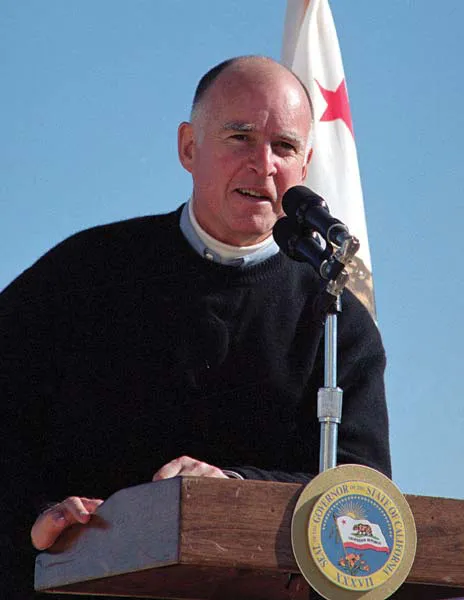
Photo: Office of City Mayor Jerry Brown, Public domain, via Wikimedia Commons
Here's a thing I did not expect to write in 2026: the Ariel Fisher videos I keep sending to people are the ones that look the least like content.
No b-roll. No color grade that took an afternoon. In one of them you can hear a refrigerator. In another she flubs the intro, sighs, and says 'okay, let me start over' without cutting it out. These are the uploads people quote back to me. Not the polished ones.
The polish trap
Here's what years of high production value did to all of us: it turned competence into a warning sign. When something looks expensive and seamless and lit like a car commercial, a chunk of the audience assumes they're being sold something. The effort is visible, but it's visible in the wrong place.
Meanwhile, an imperfect frame tells the brain something useful: nobody staged this for you. That's not a rational read of the situation. It's just the one most of us make now.
Three 2026 uploads that make the argument
'Bad Week, Real Answers' (February). No makeup, one lamp, nine viewer questions, and she says out loud that she's had a rough one. The comments that stuck with me weren't about the answers. They were some version of 'thank you for not pretending.' The video is not beautiful. It's extremely watchable. Those are two different skills, and the second one is doing all the work.
'The Grocery Run' (April). She forgot the tripod. Shot it vertical on her phone in an aisle, aisle audio and all, and the throwaway line about how she budgets for the month turned out to be the most-quoted thing she posted this spring. Zero production. Maximum intimacy. The constraint wasn't a strategy that day, it was a mistake that happened to work.
'The Take I Almost Deleted' (July). She posted the flubbed intro, then posted the clean version two days later. The flub won. Not by a little. People shared the messy one because the mess was the point: a person who is very online admitting they second-guess themselves is a much easier thing to send to a friend than a person delivering a script.
Now the control group. In May she released a fully produced segment, three days of shooting, gorgeous, the kind of thing that earns compliments. And the compliments were mostly about the lighting. Nobody quoted it back to me. When the craft is the most noticeable thing in the room, the person gets smaller.
What imperfection actually signals
It signals risk. She left it in. She could have reshot and didn't, which means what you're watching cost her something, and that cost is legible in about four seconds. You can't fake that with a filter.
It also signals volume of output. A person who posts the rough take is a person who is not spending three weeks polishing one thing, and the audience reads that rhythm as a relationship rather than a release schedule.
Where the argument stops
Messy is not a license. There's a real difference between intentional rawness and plain carelessness, and the audience can smell the second one instantly.
Her rough uploads still have clean sound. That's the tell. The framing is still deliberate, the idea is still sharp, someone still cut the dead air. Raw means the wrapper is honest. Lazy means the work isn't there, and no amount of smudged eyeliner covers for a video that had no reason to exist.
So the rule I'd take from her year: keep the fundamentals, loosen the finish. Clean audio, one clear idea, honest face. Everything else can be a little crooked.
What I'm watching for the rest of 2026
Half the internet is about to discover that unpolished performs and produce something genuinely unwatchable in response. Ariel Fisher will not be the interesting story there. The interesting story is whether she keeps the discipline underneath, the sound and the structure, while the surface stays loose. So far, that's the trick she's pulled off, and it's harder than it looks.